What Do Barbers Use to Line Up Your Hairline?
You're sitting in the barber chair and your haircut is basically done. Then your barber switches to a different tool - something smaller and more precise than the clippers they were using - and starts cleaning up your edges. Your hairline goes from fuzzy to sharp in about two minutes.
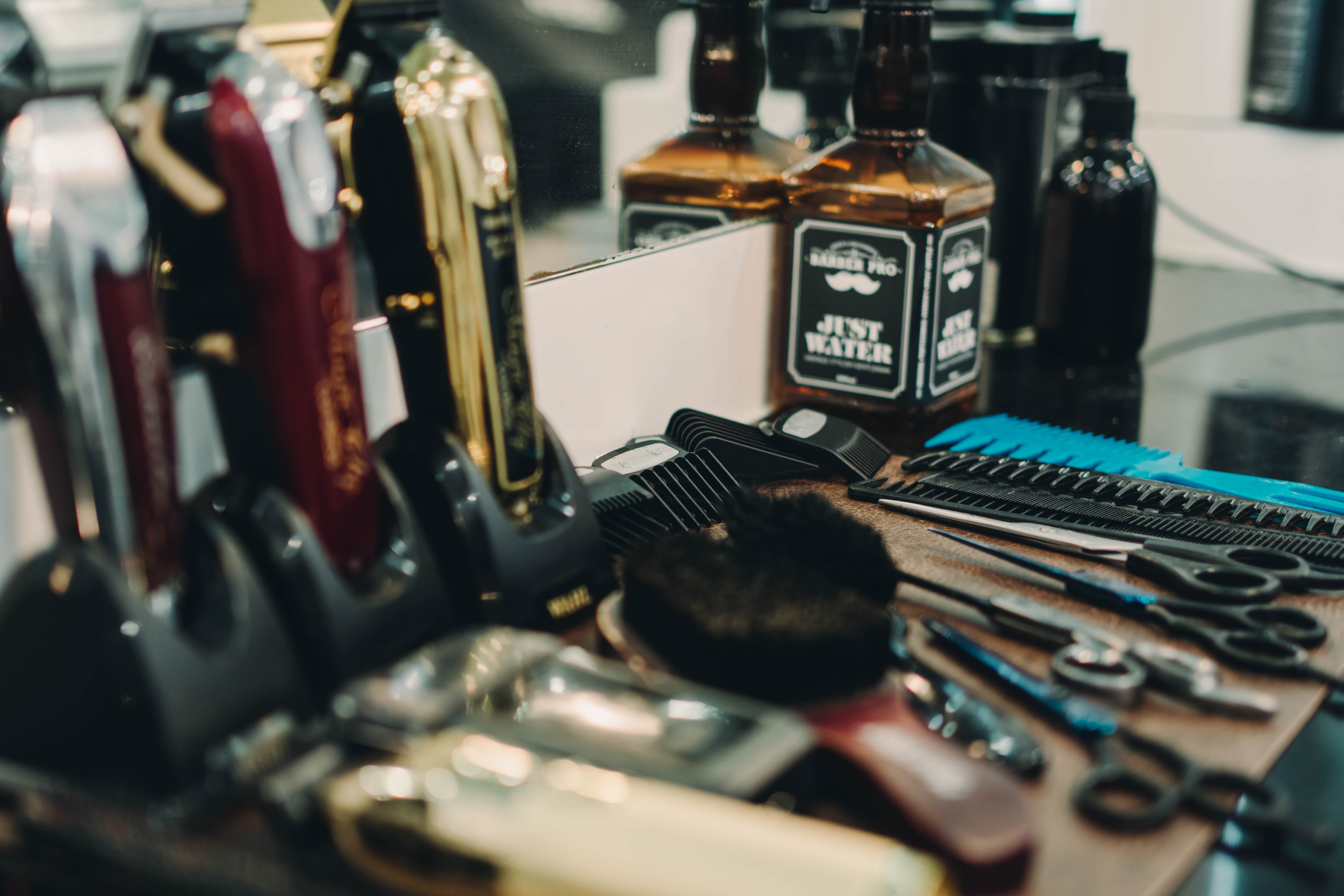
That crisp, clean hairline doesn't happen by accident. It's a specific technique using specific tools, and it makes the difference between a decent haircut and a really sharp one.
Here's what barbers use to line you up and how the whole process works.
The Main Tool: Trimmers (Also Called Edgers or Liners)
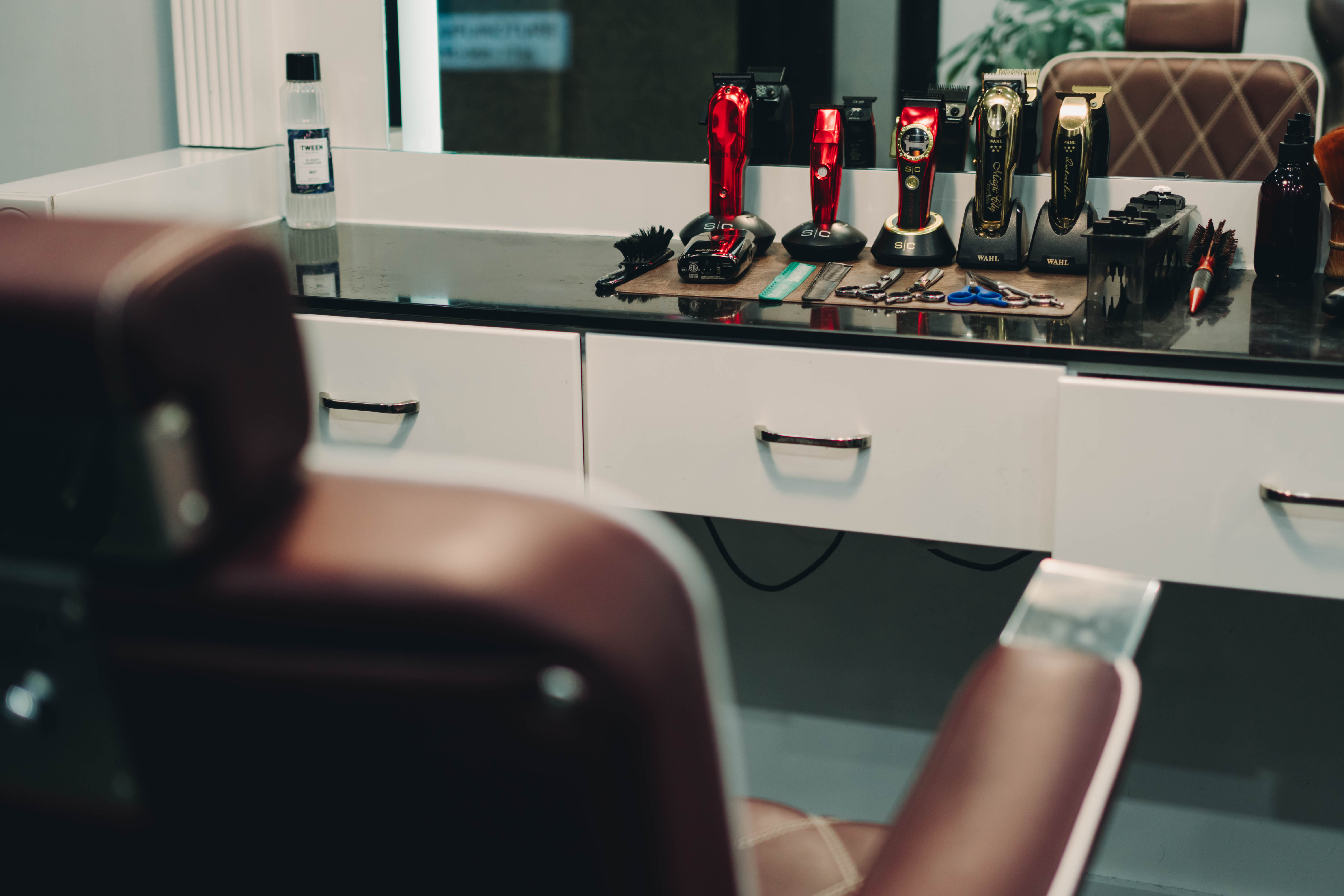
The tool you're seeing is a trimmer, and it's different from the clippers used for the main haircut.
Trimmers have a different blade design. The blades are closer together and sit at a sharper angle than clipper blades. This lets them cut a precise, clean line instead of removing bulk.
They're smaller and lighter. Trimmers are designed for detail work and precision. They fit in tighter spaces and give the barber more control.
The blade is usually zero-gapped. This means the two blades sit right against each other with no space between them. It creates the closest cut possible without actually being a razor.
They make a different sound. Trimmers have a higher-pitched buzz than clippers. That's how you know your barber switched tools.
Popular brands are Andis, Wahl, and BaBylissPRO. Most professional barbers use one of these. The Andis T-Outliner is especially popular for lineups.
That sharp edge you see along your hairline? That's trimmer work.
The Alternative: Straight Razors
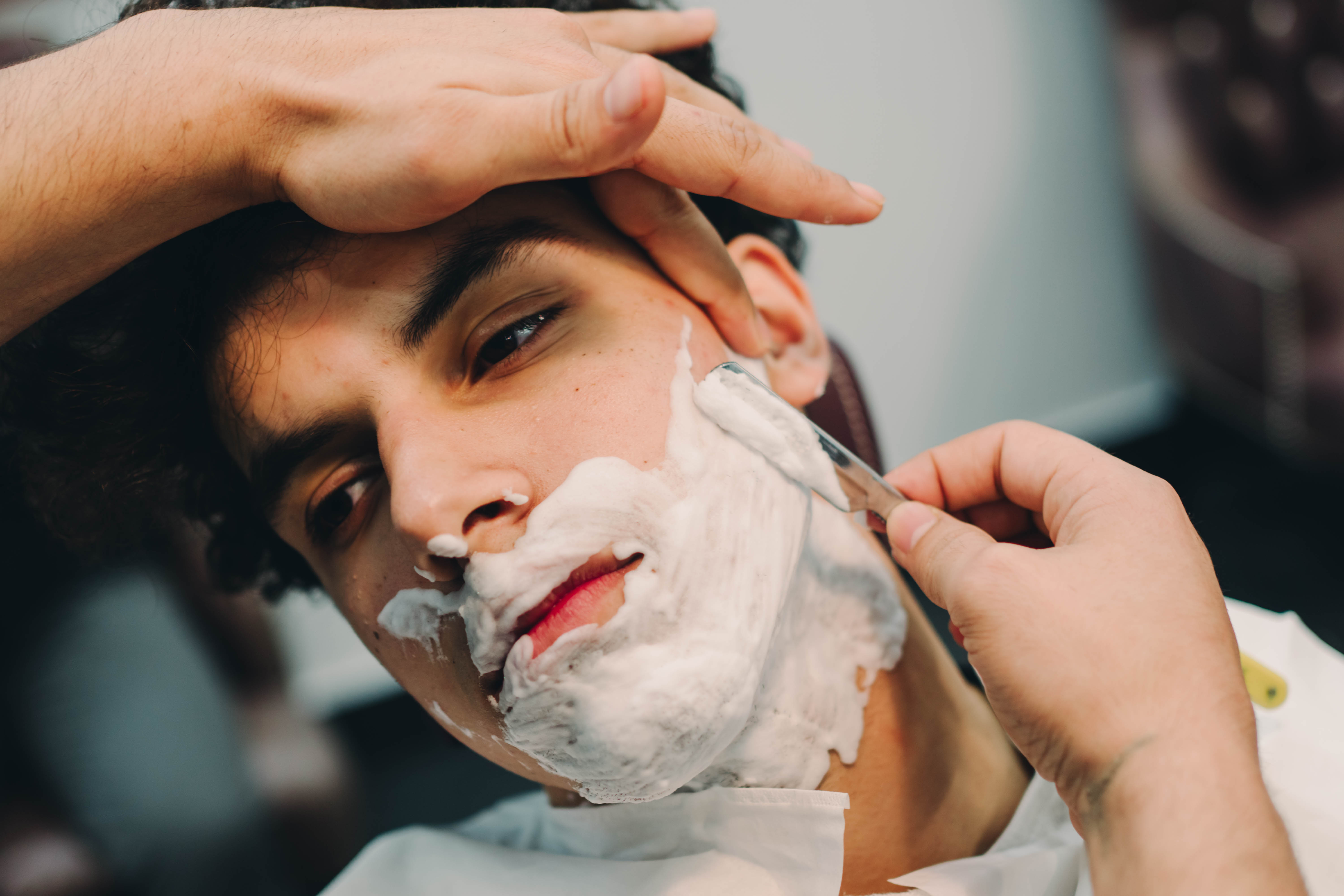
Some barbers use a straight razor instead of or in addition to trimmers for lineups.
A straight razor gives the absolute sharpest line. Nothing cuts closer than a razor blade directly on skin. The edge is perfectly clean and precise.
It requires more skill. Using a straight razor on someone's hairline takes practice and a steady hand. One wrong move and you cut someone.
It feels different. The scraping sensation of a razor is distinct. You'll know if your barber is using one.
Not all barbers do it. Straight razor lineups take more time and carry more risk. Many barbers stick with trimmers for speed and safety.
Shavettes are a common compromise. These look like straight razors but use replaceable blades. Same technique, but more sanitary since you get a fresh blade.
It's usually an upcharge. If your barber uses a straight razor for your lineup, it might cost a bit more because it takes extra time and skill.
Razor lineups look amazing but they're not always necessary. Trimmers get you 95% of the way there.
The Technique: How Lineups Actually Work
It's not just about the tool - it's about how your barber uses it.
They establish the hairline first. Your barber identifies where your natural hairline is and where they're going to create the edge. This is based on your face shape and what looks good.
They work in sections. Hairline, temples, sideburns, around the ears, back of the neck - each area gets lined up separately.
The trimmer is held at a specific angle. Usually perpendicular to the skin for the straightest line. The angle changes slightly for curves.
They use the corner of the blade for precision. The corner of the trimmer blade is the sharpest point. Barbers use this for detailed work and creating corners.
Multiple passes create the clean edge. It's not one swipe and done. They go over the line several times, refining it until it's perfect.
Your skin gets stretched. Barbers use their free hand to pull the skin taut. This makes the hair stand up and gives a cleaner cut.
They brush away hair frequently. Loose hair gets in the way of seeing the line clearly. Good barbers brush it away constantly while they work.
The whole lineup process takes maybe 5 minutes, but those 5 minutes make a huge difference.
What About the Back of Your Neck?
The lineup on the back of your neck uses the same tools but requires a slightly different approach.
Trimmers create the neckline. Whether it's a straight line, rounded, or tapered, trimmers do the work.
Some barbers use a razor for the neck. Straight razors are more common on necks than hairlines because there's more room to work and less risk.
Hot towels help. Some shops will apply a hot towel to your neck before lining it up. This softens the hair and makes shaving easier.
The neckline shape matters. Your barber chooses a neckline that fits your head shape and haircut style. Not everyone gets the same neckline.
Cleaning below the line. After creating the neckline, barbers shave or trim everything below it for a clean finish.
It grows back fast. Necklines get fuzzy within a week or two. This is why guys get edge-ups between full haircuts.
The back might be the part you see least, but it's what everyone behind you in line at the coffee shop sees.
Can You Do This Yourself at Home?
A lot of guys want to maintain their own lineups between barber visits. It's possible, but it's not easy.
You need the right tool. A decent trimmer costs $40-100. Don't use beard trimmers - they're not designed for this and won't give you clean lines.
You need mirrors. Lots of mirrors. You can't see the back of your head or around your ears without a setup that lets you see from multiple angles.
Your dominant hand matters. Doing your left side if you're right-handed (or vice versa) is awkward. The angles are weird and your control isn't as good.
It's really easy to mess up. One slip and you've cut a chunk out of your hairline. Fixing it means cutting more, which can make it worse.
The back is nearly impossible. Even with mirrors, lining up the back of your own neck cleanly is extremely difficult. Most guys who do home lineups skip the back.
Practice on less visible areas first. If you're going to try it, start with your neckline or sideburns. Don't experiment on your front hairline where mistakes are obvious.
Some guys get decent at maintaining their own edges between cuts. But most end up making it worse and having their barber fix it.
The Different Types of Lineups
Not every lineup is the same. There are different styles and approaches.
The natural lineup follows your existing hairline and just cleans it up. It doesn't create artificial corners or change the shape much.
The shaped lineup creates more defined corners and angles. This gives a sharper, more dramatic look but it's less natural.
The temp fade lineup extends the lineup into a fade at the temples. This is popular in fade haircuts and creates a really clean look.
The Brooklyn lineup (or "edge up") creates very sharp, angular corners at the temples. It's a bold, defined look.
The rounded lineup has softer corners and follows the natural curve of your head. It's more subtle than angular lineups.
The burst lineup curves around the ear and creates a rounded effect. Works well with certain haircut styles.
Your barber will choose or suggest a lineup style based on your face shape, haircut, and what you prefer. Not every style works for every person.
Why Lineups Fade So Fast
You get a fresh lineup and it looks amazing. Two weeks later, it looks fuzzy and grown out. Here's why.
Hair grows every day. The hair that was cut to create that sharp line grows back just like the rest of your hair. As it grows, the line gets less defined.
The edges grow faster than you think. Hairlines and edges often seem to grow faster than the hair on top of your head. It's noticeable within a week.
Your hairline is always visible. Unlike the back or sides, you see your hairline every time you look in a mirror. You notice it getting fuzzy immediately.
Dark hair shows fuzziness more. If you have dark hair against lighter skin, the contrast makes any fuzz really obvious.
Activity and sweat affect it. If you work out a lot or wear hats, your edges can start looking rough faster.
This is why some guys get edge-ups or shape-ups between full haircuts. It keeps the lineup fresh without needing a whole new cut.
The Edge-Up: A Lineup Without a Full Cut
Speaking of edge-ups - this is a service you can get separate from a full haircut.
It's just the lineup work. Your barber cleans up your hairline, temples, sideburns, and neck without cutting any length off the top.
It's faster. Takes maybe 15-20 minutes vs 30-45 for a full cut.
It's cheaper. Usually $15-25 instead of $40-60 for a full haircut.
It keeps you looking fresh between cuts. If your haircut is only two weeks old but your edges are fuzzy, an edge-up solves the problem.
It extends the life of your haircut. Getting edge-ups means you can go longer between full cuts while still looking sharp.
Not every shop offers it. Some barbershops only do full services. Ask if they do edge-ups as a standalone service.
If you have a style with a really defined lineup, edge-ups every 2-3 weeks keep you looking crisp.
What Makes a Good Lineup
Not all lineups are created equal. Here's what separates a great lineup from a mediocre one.
Symmetry matters most. Both sides should match. Uneven lineups are immediately noticeable and look unprofessional.
The line should be clean and sharp. No fuzz, no gaps, no irregularities. A clean line is the whole point.
It should fit your face. A lineup that looks good on someone else might not work for your face shape. Good barbers customize it.
It shouldn't look artificial. Unless you're going for a really dramatic style, your lineup shouldn't look like it was drawn with a ruler. It should enhance your natural hairline.
Corners should be intentional. Whether rounded or sharp, the corners at your temples should look deliberate and even.
The neckline should complement the haircut. The back matters just as much as the front, even though you can't see it.
A great lineup makes your whole haircut look better. A bad lineup can ruin an otherwise good cut.
Common Lineup Mistakes
Here's what can go wrong with lineups, whether at the barbershop or when doing it yourself.
Pushing the hairline too far forward. Trying to fix a receding hairline by creating a lineup further down your forehead looks obvious and bad.
Cutting the corners too sharp. Overly angular corners can look unnatural, especially if your hairline isn't naturally square.
Making it uneven. One side higher than the other, or corners at different angles - asymmetry is the worst lineup mistake.
Going too deep on the temples. Cutting too much into the temple area can make your forehead look bigger.
Not following the natural shape. Fighting against your natural hairline usually looks worse than working with it.
Skipping the back. Doing the front perfectly but leaving the back messy looks incomplete.
A mediocre barber can mess up a lineup. And definitely don't try to fix a bad lineup yourself - you'll make it worse.
Taking Care of Your Lineup
Once you have a fresh lineup, here's how to keep it looking good as long as possible.
Don't touch it constantly. Running your hands along your hairline transfers oil and can cause irritation or breakouts.
Moisturize your hairline. The skin along your hairline can get dry and irritated after being trimmed or shaved. A light moisturizer helps.
Avoid hats right after. Give your hairline a few hours to settle before putting a hat on. Fresh lineups can be sensitive.
Don't pick at it. If you get small bumps or ingrown hairs, leave them alone. Picking makes it worse.
Wash your hairline. Keep the area clean to prevent buildup and irritation.
Use sunscreen. If you have a low fade or shaved hairline, that skin is exposed to sun. Protect it.
Your lineup will grow out no matter what, but taking care of it keeps it looking decent longer.
The Bottom Line
Barbers use trimmers (edgers) or straight razors to line up your hairline. Trimmers are more common, faster, and safer. Razors give a slightly closer cut but require more skill.
The lineup is what gives your haircut that sharp, finished look. It's precision work that takes practice and the right tools.
Can you do it yourself? Maybe, but it's hard. Most guys who try end up with uneven lines or mistakes they need a barber to fix.
If you want to stay fresh between cuts, ask your barber about edge-ups. They're quicker and cheaper than full haircuts and keep your lineup looking crisp.
Want a sharp lineup that lasts? Book with JDED and we'll line you up properly - clean, even, and suited to your face.
.avif)