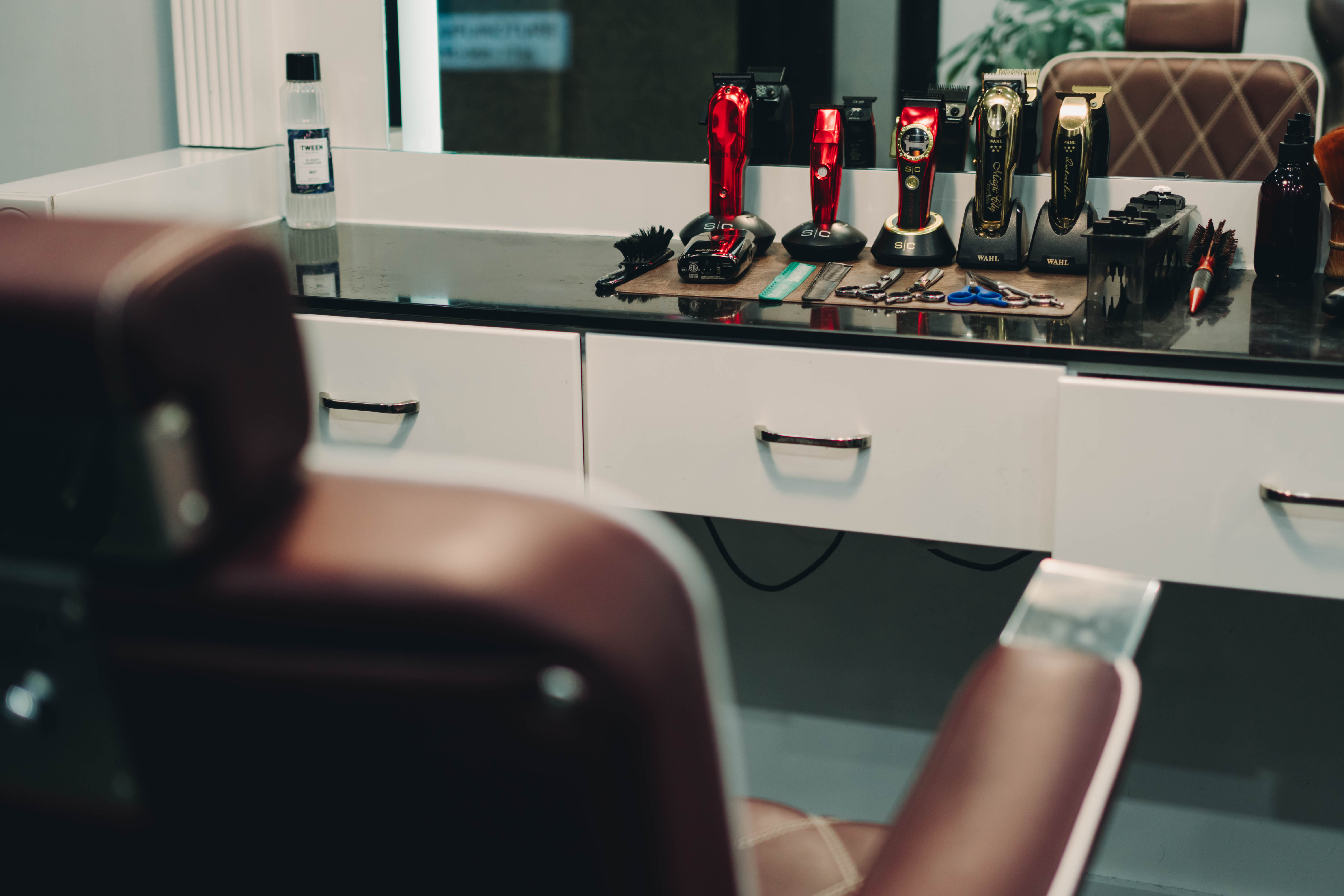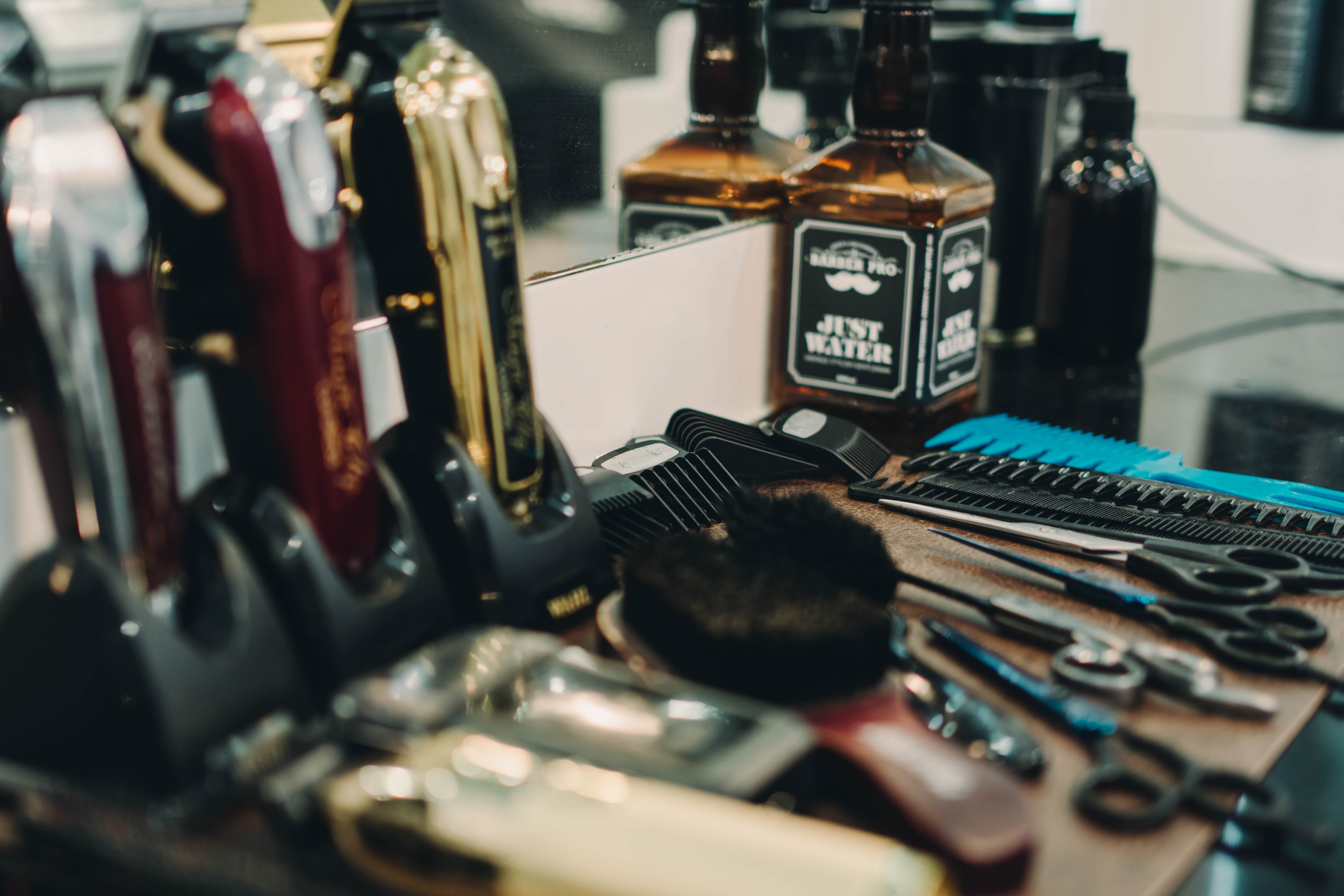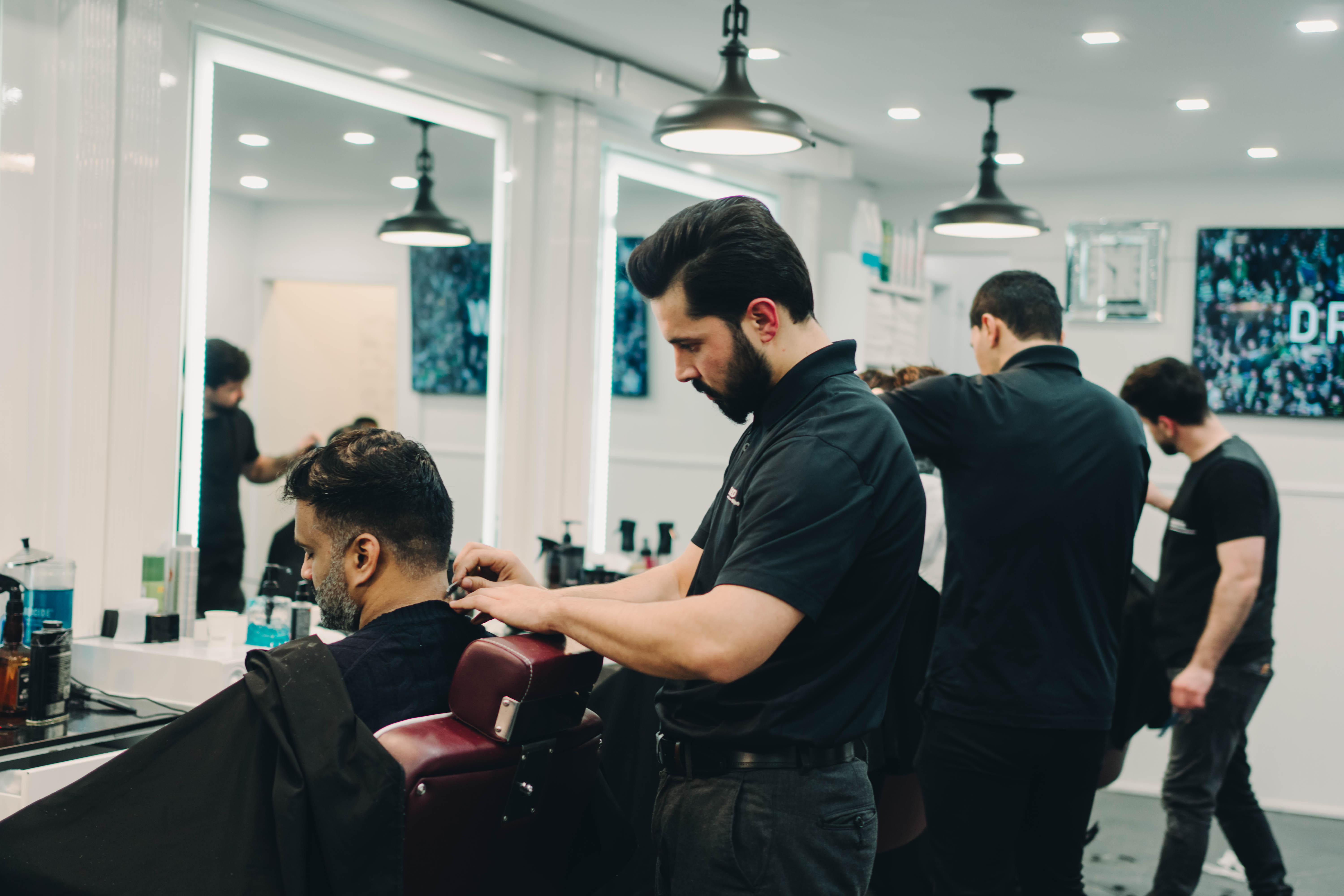
Using clippers without a guard - also called "no guard" or "zero guard" - is a standard barbering technique. But if you've never seen it before, it can look aggressive or even risky.
Here's why barbers do it, what it accomplishes, and whether you should be concerned when they take that guard off.
What "No Guard" Actually Means
Let's start with what's happening when your barber removes the clipper guard.
The guard is the plastic attachment that controls length. Guards come in different sizes - #1, #2, #3, etc. Each one leaves hair at a specific length. Without a guard, there's no length control.
No guard means the blades cut as close as possible. The clippers are cutting right down to the skin level. Not quite shaving it bare, but very close.
It's not the same as a razor. Even without a guard, clippers leave a tiny bit of hair - usually about 0.5mm. A razor would take it down to completely smooth skin.
The clippers are still safe. The blade design prevents them from cutting skin. The teeth don't sit flush against the skin - there's a microscopic gap that protects you.
It requires more skill than using guards. With no guard to control the blade, the barber has to rely entirely on their technique and control.
When you see your barber remove the guard, they're switching to precision work that requires more control and experience.
Creating Fades and Blends
This is the main reason barbers use no guard clippers - to create smooth fades.
Fades require multiple lengths blending together. You can't create a truly smooth fade using only guards. The jumps between guard sizes are too big.
No guard creates the shortest section of a fade. At the bottom of a low fade or bald fade, the hair is cut with no guard to get it as short as possible.
Blending between guards needs no guard work. To make the transition from a #1 to a #2 look smooth instead of choppy, barbers use no guard work in between.
The flicking technique creates gradual fades. Barbers "flick" the clippers outward as they move up your head. This gradually increases the length and creates a smooth blend.
Multiple passes refine the fade. Your barber might go over the same area several times with different angles and techniques to get the blend perfect.
Without no guard work, fades would have visible lines where each guard length stops and starts. No guard blending is what makes fades look smooth and professional.
Cleaning Up Hairlines and Edges
The other major use for no guard clippers is creating clean lines.
Hairlines need to be sharp. Using guards near your hairline leaves a fuzzy edge. No guard creates a crisp, defined line.
Around the ears requires precision. Guards are too bulky to get really close around ears. No guard lets barbers clean up tight to the skin.
Necklines look cleaner. The back of your neck needs to be cleaned up close to the skin. Guards would leave stubble.
Sideburns get defined edges. Clean, straight sideburns require no guard work to create sharp lines.
Temples and corners need detail work. Creating defined corners at your temples requires the precision of no guard clippers.
Any time you see really clean, sharp edges on a haircut, that's no guard work. Guards can't create that level of definition.
The Technique Behind No Guard Cutting
Using clippers without a guard isn't just removing the guard and going for it. There's actual technique involved.
Blade angle matters. The angle at which the clipper touches your head determines how much hair gets cut and how smooth the blend is.
Pressure control is critical. Too much pressure can leave lines or irritate skin. Too little doesn't cut effectively. Barbers adjust pressure constantly.
The motion is different. No guard work uses flicking, scooping, and lifting motions that don't happen with guards on.
One hand stabilizes, one hand cuts. Good barbers use their free hand to hold your head steady or stretch skin while the clipper hand does precise work.
They work in sections. No guard blending happens in small areas, not all at once. Barbers focus on one section, perfect it, then move to the next.
Visual assessment is constant. Without a guard to guarantee a certain length, barbers are constantly looking at what they're cutting and adjusting.
This is why experienced barbers can do no guard work quickly and confidently while newer barbers might be more hesitant or slow.
Bald Fades and Skin Fades
Bald fades and skin fades specifically require extensive no guard work.
A bald fade goes down to skin. The lowest part of the fade is cut with no guard to get as close as possible. Some barbers follow with a razor for true skin.
The entire fade uses no guard blending. From skin level up to where the guard sizes start, it's all no guard work creating the gradient.
It takes longer than regular fades. More precision and blending means bald fades require more time and skill.
Not every barber does them well. Bald fades are harder than regular fades. A mediocre bald fade will have visible lines or uneven blending.
They grow out faster. Because the hair is so short at the bottom, any growth is immediately visible. Bald fades need maintenance every 1-2 weeks.
If you're getting a bald fade or skin fade, expect to see a lot of no guard work. That's the whole point of the style.
Is It Risky or Dangerous?
When you see bare blades on clippers, it might look dangerous. It's not, if done properly.
Clipper blades are designed not to cut skin. The top blade moves back and forth, but the bottom blade (the one against your skin) is stationary and has rounded teeth that don't cut.
Barbers are trained in proper technique. They know how to hold and move clippers safely to avoid any issues.
Nicks are rare. Unlike razors, clippers rarely cause cuts. If you do get nicked, it's usually from razors during shaves, not from clippers.
Irritation is more common than cuts. Some guys with sensitive skin might get slight irritation from no guard work, especially on the neck.
Going against the grain can cause bumps. If your barber cuts against your hair growth direction with no guard, you might get some ingrown hairs or razor bumps afterward.
The biggest risk isn't cutting - it's minor skin irritation, and even that's pretty rare. Clippers are one of the safest tools in barbering.
When Barbers Avoid No Guard Work
There are situations where barbers won't use clippers without a guard, or will be very careful about it.
Very sensitive skin. If you have skin conditions, extreme sensitivity, or a history of bad reactions, your barber might avoid aggressive no guard work.
Scarring or uneven scalp. Cutting super close can make scars or bumps on your scalp more visible. Guards provide some coverage.
Extremely coarse or curly hair. This hair type is more prone to ingrown hairs when cut very short. Some barbers are cautious about going too close.
Client preference. If you specifically ask not to have it cut that short, barbers will stick with guards.
Learning barbers. Newer barbers might not be confident enough with no guard work yet and will rely more on guards until they develop the skill.
If your barber is avoiding no guard work on you, there's probably a good reason. Ask them about it if you're curious.
Can You Use No Guard Clippers at Home?
Some guys try to maintain their own fades or clean up their edges at home with no guard clippers. It's possible, but difficult.
You need quality clippers. Cheap clippers don't have the power or blade quality to do clean no guard work. Professional-grade clippers cost $100+.
The angles are hard to get right. What feels natural when a barber does it is awkward when you're doing it to yourself, especially on the sides and back of your head.
You can't see what you're doing. Even with multiple mirrors, seeing the back and sides of your head clearly enough to do precision work is tough.
It's easy to mess up. Take off too much in one spot and you've created a bald patch you'll need a barber to fix.
Fading your own hair is extremely difficult. Creating a smooth gradient blend on your own head is one of the hardest barbering skills. Most guys can't do it well.
Edge work is more doable. Cleaning up your hairline or neck with no guard is easier than trying to fade yourself. Still tricky, but more achievable.
If you're going to try it at home, start with simple edge cleanup, not fades. And accept that you'll probably need your barber to fix it eventually.
The Difference Between No Guard and Razors
People sometimes confuse no guard clippers with razors. They're different tools with different purposes.
Clippers leave stubble. Even with no guard, clippers don't cut hair completely to the skin. There's still about half a millimeter left.
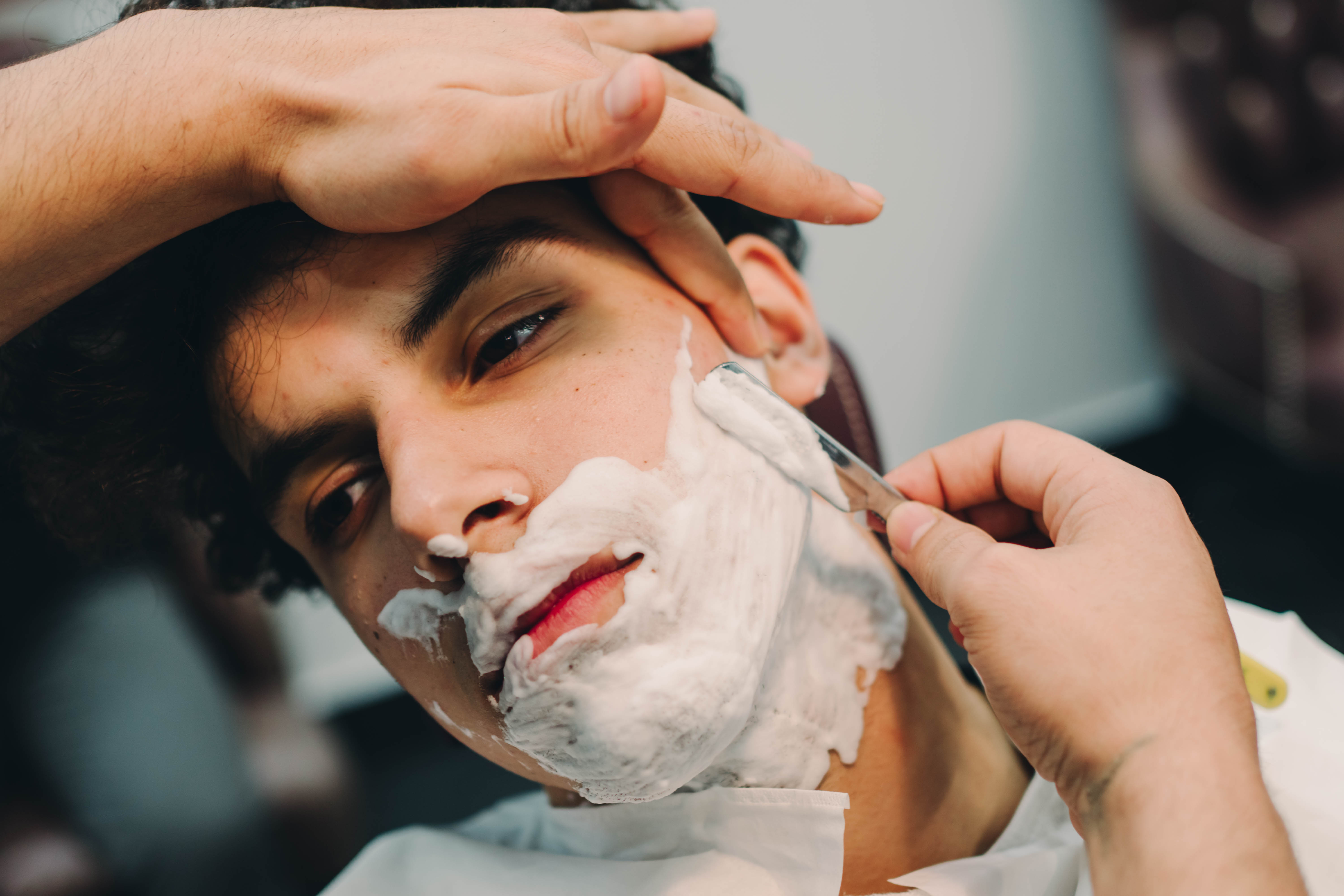
Razors give a completely smooth shave. Straight razors or safety razors remove hair entirely, leaving smooth skin.
Clippers are faster. You can cover a lot of area quickly with no guard clippers. Razors require slower, more careful work.
Razors require more prep. Before using a razor, barbers usually apply shaving cream and soften the hair. Clippers work on dry hair.
Razors are sharper and riskier. Actual razors can cut skin easily if used wrong. Clippers are much safer.
Razors are used for different purposes. Straight razors are typically used for clean shaves, lineup details, or neck cleanup - not for creating fades.
When your barber removes the clipper guard, they're not about to shave you. They're just doing close clipper work.
Signs of Good No Guard Technique
Here's how to tell if your barber knows what they're doing with no guard work.
Smooth blends with no lines. You shouldn't see harsh lines where different lengths meet. Everything should transition smoothly.
Even on both sides. The fade or blend should look symmetrical. Both sides should match in length and gradient.
No skin irritation afterward. A little redness immediately after is normal, but it should fade within an hour. If you're getting bumps or lasting irritation, the technique might be too aggressive.
Clean edges without patchiness. Hairlines and edges should be crisp but still look natural, not choppy or uneven.
They work confidently but not rushed. Good barbers move efficiently but aren't sloppy or rushing through it.
They check their work constantly. Stepping back to look at the blend, checking both sides, making sure everything matches - this is what pros do.
If your barber's no guard work consistently looks good and feels comfortable, they know what they're doing.
Why Some Guys Prefer Guards Only
Not everyone wants their barber using no guard clippers, and that's fine.
They want more length overall. Some guys prefer their shortest areas to be a #1 or #2, not bare clipper length.
Sensitive skin reacts badly. No guard work can cause irritation or bumps for some skin types.
They don't like the bald fade look. Not everyone wants that super-close, high-contrast fade. Medium fades with guards are more subtle.
Less maintenance required. Haircuts with guards only don't grow out as noticeably fast. You can go longer between cuts.
Personal preference. Some guys just don't like how close no guard clippers cut, even if it looks good.
If you don't want no guard work, tell your barber. They can create fades and clean lines using only guards - it just looks different.
The Bottom Line
Barbers use clippers without guards to create smooth fades and clean, sharp lines. It's a fundamental technique in modern barbering, especially for fades.
No guard work requires more skill than using guards because there's no length control - it's all technique and experience. Good barbers make it look easy because they've done it thousands of times.
Is it safe? Yes. Clippers are designed not to cut skin, and barbers are trained to use them properly. Irritation is possible but rare, and actual cuts from clippers are extremely uncommon.
If you're getting a fade, expect to see your barber remove the guard at some point. That's how fades are actually created. Without no guard work, you'd just have a bunch of guard lengths stacked on top of each other with visible lines between them.
Want a clean fade with smooth blending? Book with JDED - our barbers know how to use no guard techniques to create sharp, professional results.
.avif)